Structural planning
The face is assessed by support layers, tissue descent, skin quality, jawline definition, and neck transition.
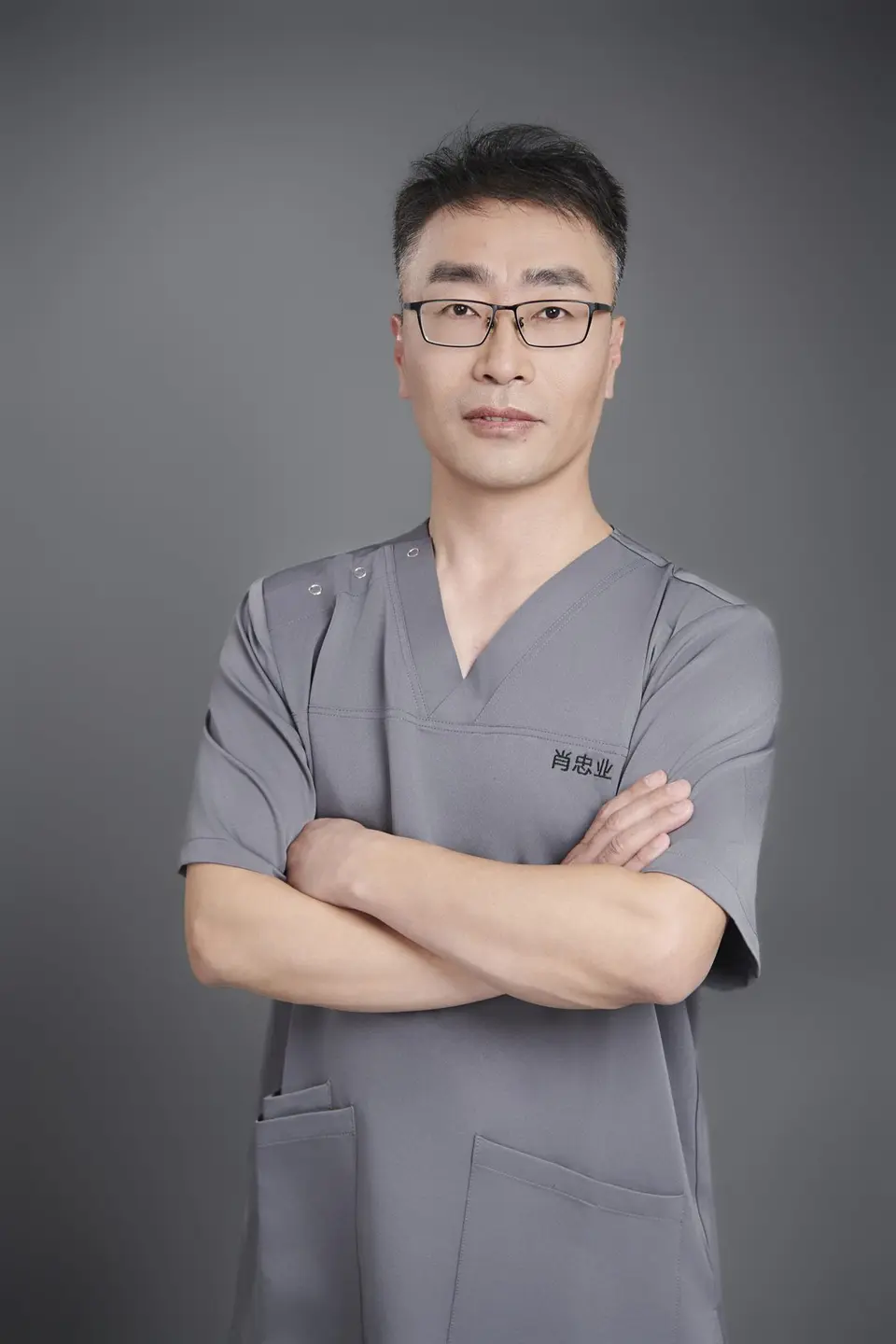
Meet Dr. Xiao
Dr. Xiao Zhongye has 27+ years of clinical experience and leads the Deep9D facial rejuvenation pathway in Shanghai.
Doctor-led planning
Dr. Xiao’s work is built around a demanding idea: a facelift should restore support without erasing identity. Each plan begins with anatomy, aging pattern, previous treatment, expectations, incision choice, and recovery tolerance.
The face is assessed by support layers, tissue descent, skin quality, jawline definition, and neck transition.
Expression, proportion, movement, and recognizable features guide every recommendation.
9D smaller-incision lifting and Deep Plane fascial lifting are explained as different surgical pathways.
The doctor’s role continues through early rounds, recovery review, and follow-up guidance.
The best result is not the tightest face. It is the most natural version of the patient’s own face.
Inside the doctor-led pathway
This short film brings together preoperative design, operating-room work, postoperative bedside care, patient recovery, and the relationships built along the way.
The film contains brief clinical and surgical scenes. It is provided to document the care pathway, not to guarantee an outcome.
A documentary-style montage showing Dr. Xiao’s work with international patients in Shanghai.
Contains brief surgical content. Click play only if you are comfortable viewing clinical scenes.How a case is reviewed
A patient should not be assigned a procedure from one selfie or one concern. The review becomes more useful when it combines consistent photos, medical history, previous treatment, recovery priorities, and an honest discussion of what surgery can and cannot change.
Front, 45-degree, profile, and neck views help identify lower-face, midface, and neck patterns.
The team considers whether the smaller-incision 9D pathway or larger-incision Deep Plane pathway should be discussed.
When selected fat deposits blur the mandibular border, liposuction may be discussed with either lift.
Physical examination, health review, testing, risk discussion, and consent determine the final plan.
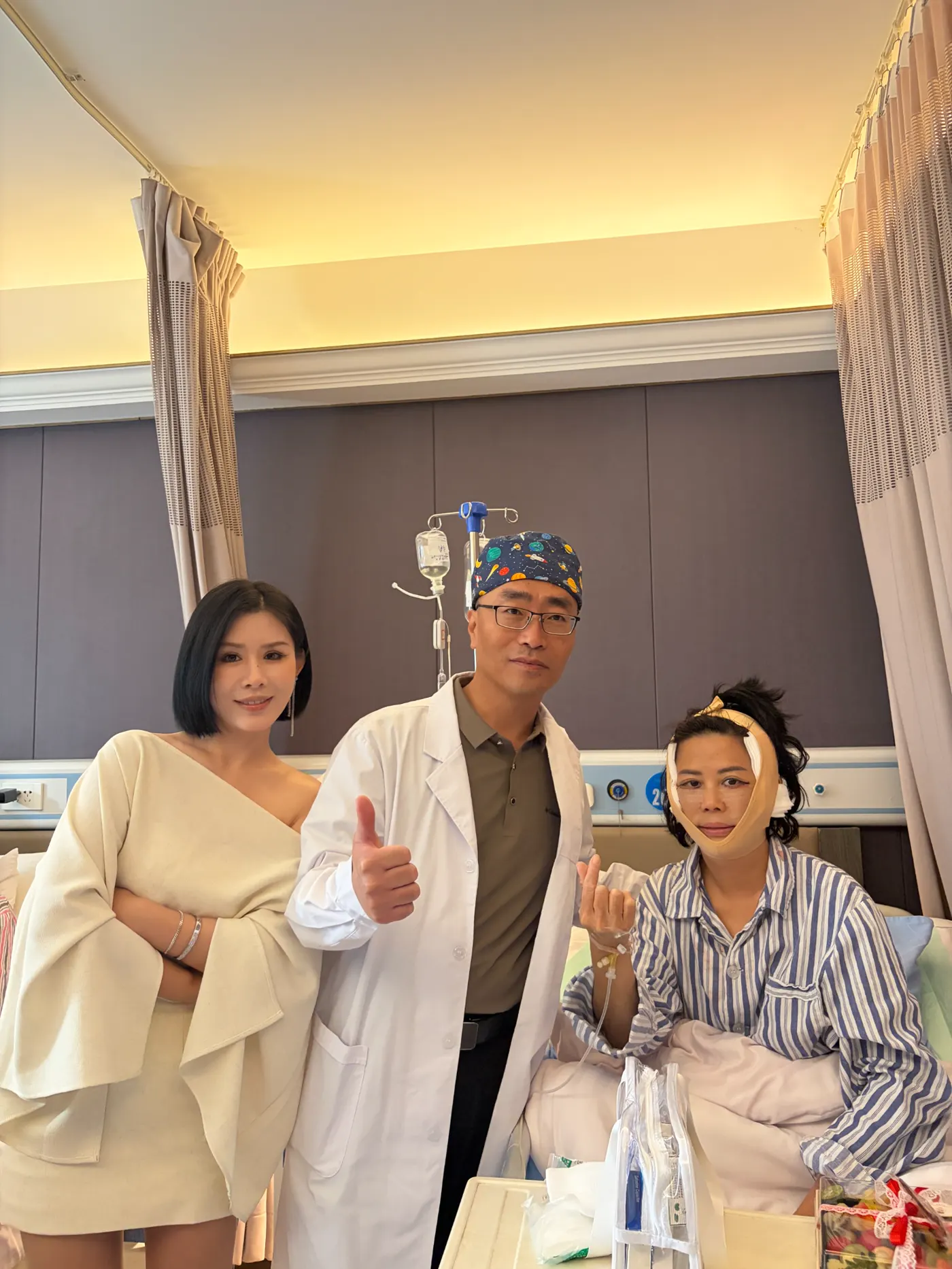
After surgery
Postoperative rounds allow Dr. Xiao and the team to review swelling, dressings, comfort, facial movement, early contour, and the questions patients have when they first see themselves after treatment.
See the postoperative care pathway ->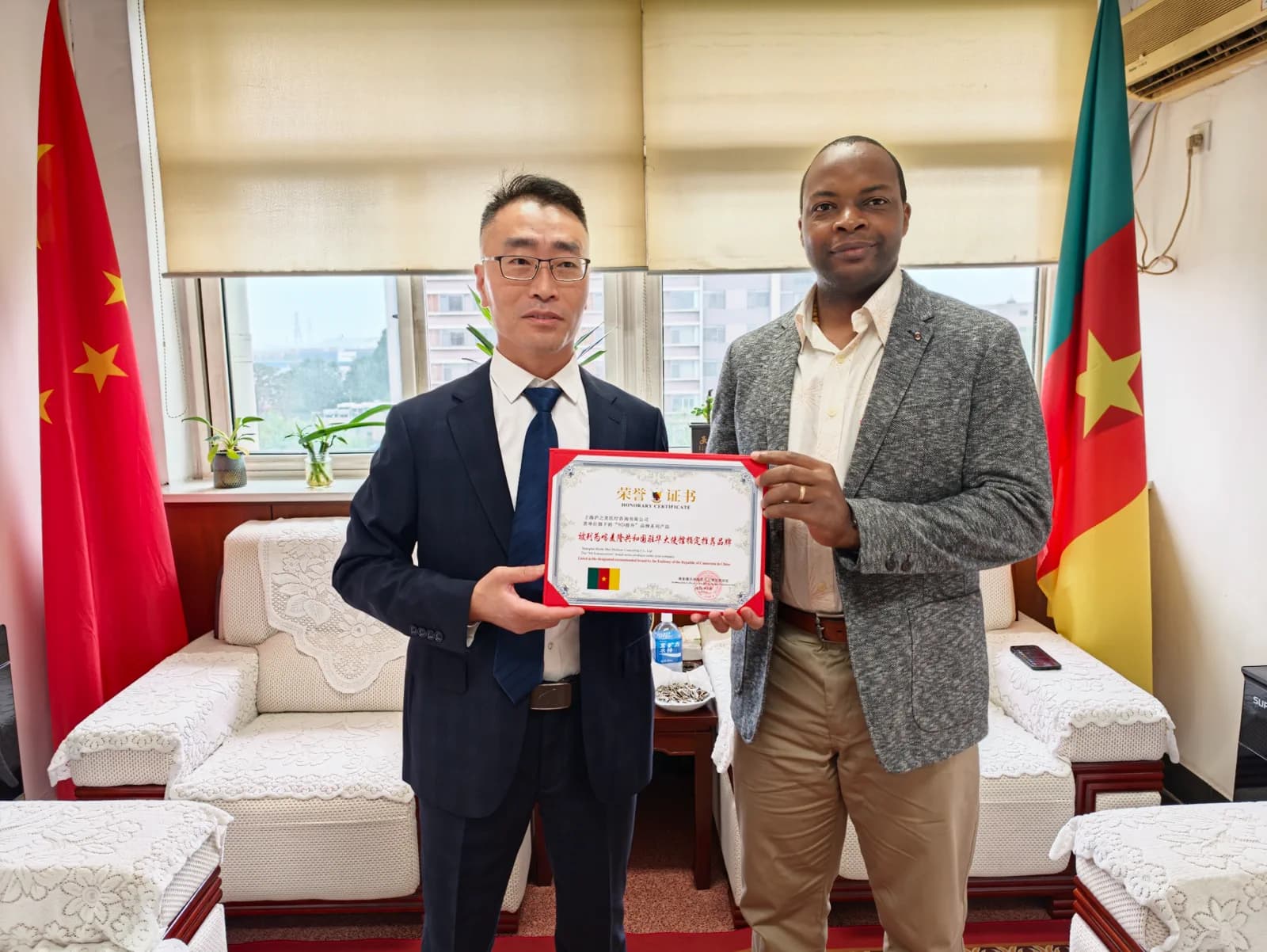
International recognition | 2026
In July 2026, the “9D Enhancement” brand series under Shanghai Huzhi Mei Technology Co., Ltd. received an honorary certificate naming it a designated recommended brand by the Embassy of the Republic of Cameroon in China.
The recognition concerns the named brand series. It does not replace medical licensing, individual evaluation, risk discussion, or informed consent.
View the certificate ->Patient education
Good planning should explain why a procedure may fit, why it may not fit, what alternatives exist, and what uncertainty remains.
Questions about the doctor-led pathway
The online pathway collects relevant information for preliminary direction. Final planning still requires in-person medical consultation.
No. Incision strategy, surgical plane, face-neck planning, optional liposuction, and recovery guidance depend on anatomy, previous treatment, health, and goals.
Yes. 9D and Deep Plane are different approaches. The final direction follows the incision and tissue-plane access required for the individual plan.
Yes. A responsible assessment may recommend further examination, a different treatment direction, postponement, or no surgery.
No aesthetic or surgical result can be guaranteed. Natural expression and identity preservation guide the plan, but anatomy and healing vary.
Private online review
Message the team directly in WhatsApp or complete the structured form so the team can review your information before continuing privately.
WeChat · Shanghai team
Connect for consultation coordination, clinic updates, and a closer look at the team’s daily work. WhatsApp remains the primary channel for international assessments.